Photo available at http://www.freechristimages.org
A verse-by-verse application with modern examples
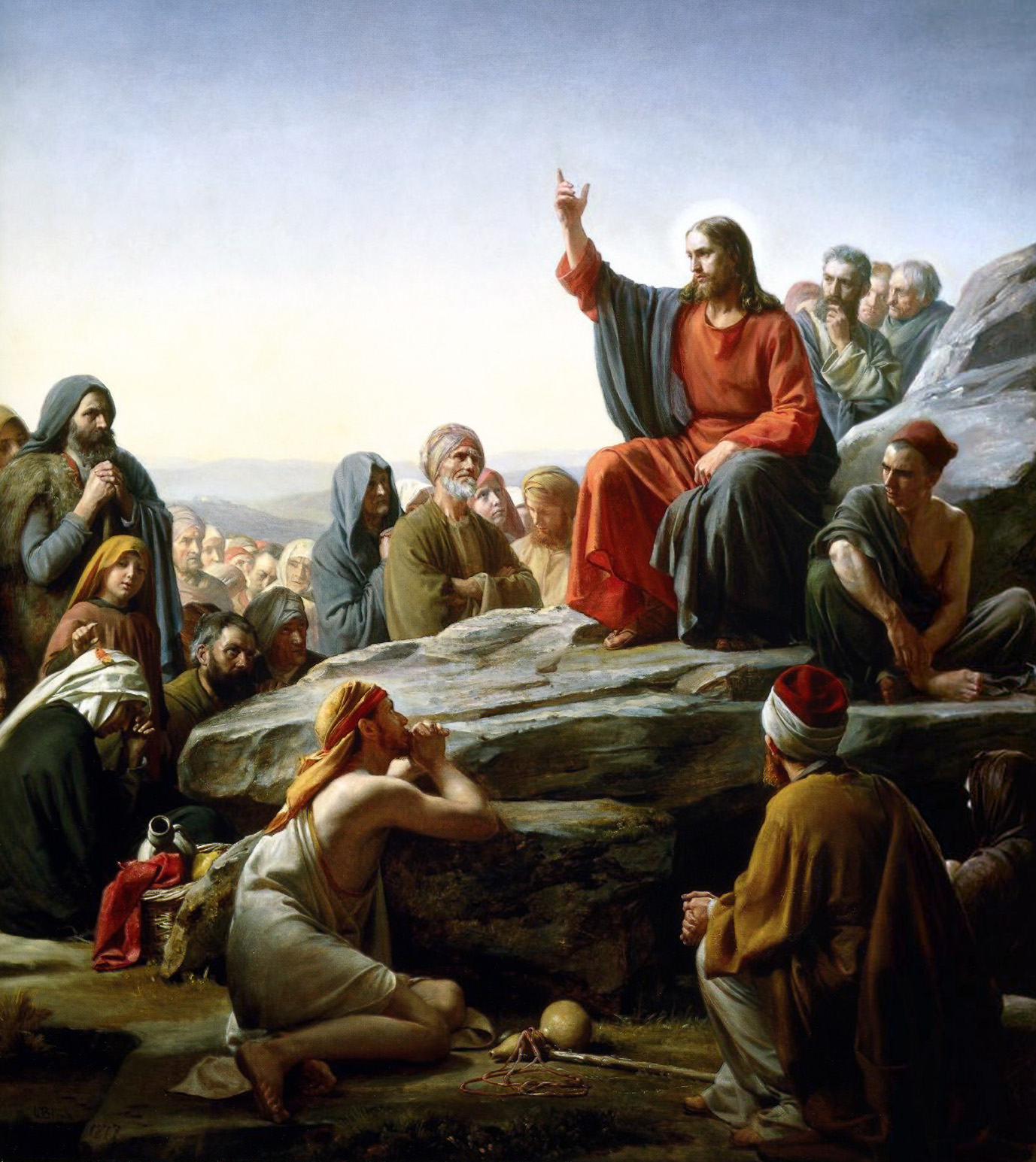
Imagine a world with moral, ethical and honest leadership. A global population of eight billion humble, meek, just, merciful, forgiving, peaceful citizens committed to righting their wrongs and to human rights. Where the law is fulfilled, enemies are loved and reconciliation, where aid is given without expectations in return, and every one of us takes the narrow path to fairness, respect and sustainability. Imagine if the answers and instructions have been in front of us for two thousand years. In Jesus’ sermon on the Mount, as told in Matthew 5-7, this world is described to us, instructing us on how to live a plentiful but righteous life. Furthermore, it represents an ethical standard contrasting to the world we know and testifying to our inability to ensure righteousness and justice. But how can we apply this to International Relations?
Let’s start at the beginning, verses 1 to 12, widely known as the beatitudes, that is to say, blessings for the righteous. Here we receive a clear separation between what is good and evil in the Bible, yet let us compare it to history and even modern International Relations. “Blessed are the poor in spirit” refers to humility, a quality that if applied to IR leads to peace and cooperation, as can be seen with Germany’s post-WWII diplomacy, acknowledging its past and working towards peace, fostering alliances and stability. “Blessed are those who mourn, for they shall be comforted.”. Indeed, acknowledging past mistakes avoids scandals and division, building trust and social cohesion. For example, Canada’s truth and reconciliation process regarding indigenous residential schools. “Blessed are the meek, for they shall inherit the earth.”. Meekness is not weakness but controlled strength, allowing nations to act as mediators or peacekeepers, and fostering non-aggressive diplomacy. “Blessed are those who hunger and thirst for righteousness”. Justice is one of the founding principles of a utopian world, and commitment to it leads to peace and holding criminals accountable, in this respect institutions such as the ICC are highly valued and respected in world politics. “Blessed are the merciful, for they shall receive mercy.”. In the same way, mercy leads to strong partnerships and goodwill, through cancelling debts or assisting those in need.“Blessed are the pure in heart.”. Ethical leadership as seen in Scandinavian countries is widely respected and improves their credibility. “Blessed are the peacemakers.”. Indeed diplomacy and peace are key to a utopian world, preventing war and violence. And lastly: “Blessed are those who are persecuted for righteousness’ sake.”. Courage and resisting oppression leads to justice, as seen through Mandela’s fight against apartheid, earning widespread respect.
Next Jesus moves on to metaphors and imagery describing values to be upheld. Matthew 5:13-16 is the well-known imagery of salt and light. “Let your light shine”. As such, according to the sermon, nations should be examples of ethical leadership and moral clarity, like New Zealand, leading by example in ecological and humanitarian policies and decision-making. Verses 5:17-20 command us to fulfil the law, indeed any utopia depends on lawfulness, justice and order. The Geneva Conventions and international law ensure accountability and fairness requisite for any perfect diplomatic world. 5:21-26 suggests we resolve anger and conflicts before they escalate to hatred and violence. Yet peace and reconciliation are two things lacking in modern-day society that many believe could make the world slightly better. Negotiation and diplomacy prevent war. The connotations attached to adultery extend to International Relations where we should avoid corruption, dishonesty and exploitation as set out by Matthew 5:27-30. In the same way, nations should honour alliances, treaties and commitments like spouses should honour marriage, upholding global agreements.
Furthermore, the sermon expands into how we should treat those around us, not only between individuals but equally applicable to nations. A world where countries avoid retaliation and escalation, and where nations love their enemies, as seen by the United States and Vietnam normalizing relations after the war or the tight bond in the European Union. The Sermon on the Mount also commends giving without gain, that is to say, aid without strings attached, making it selflessly humanitarian, not exploitative. Furthermore, leaders should seek wisdom beyond their minds, calling on those around them for advice and spending time in reflection to make better, measured decisions. President Lincoln himself called for a day of fasting and prayer in the US. Nations should judge each other fairly, avoid hypocrisy and be consistent in moral policies. Ethical policies provide lasting global influence, and to have mutual respect is to show fairness and willingness to cooperate in global politics. In comparison to the scandals and political crises that we see today, this passage underlines our inability to maintain the simplest of human ethics and rights.
These policies are hard to criticize except perhaps for how unrealistic they may seem. Yet each of these was outlined a few thousand years ago by Jesus Christ of Nazareth and has existed under our eyes for centuries in writing. The Sermon on the Mount provides a comprehensive ethical guide for international relations. If nations followed these principles—humility, mercy, justice, peacemaking, and truthfulness—global diplomacy could become a force for peace rather than conflict! Of course, it seems unlikely that nations suddenly switch their policies but never can it be said that this is due to a lack of practical, actionable, resilient and long-term policies. Looking at Romans 3:10-12 even confirms this thought, teaching that though nations can act morally, lasting peace and justice cannot be fully realised until Christ returns. The Sermon on the Mount is more than a moral guide, it leads people to a greater answer to their problems. Furthermore, the Sermon on the Mount is perhaps less about the nation and more about the individual. Therefore, decision-makers should attempt to look at the world through the lens of the Sermon on the Mount, where so much good is possible and has been since the beginning of civilisation.
Written by Alex, a British and French student of International Relations at the University of St Andrews. Alex is a part of the Foreign Affairs Society, Christian Union, and Rugby Club.



 International angles
Leave a comment