Taiwan’s Democratic Standing Amid New Security Measures
Taiwan has long been lauded as a beacon of democracy in Asia. According to the 2024 Economist Intelligence Unit (EIU) Democracy Index, Taiwan ranked 12th globally, leading the Asian region. Taiwan achieved an impressive overall score of 8.78 out of 10, reflecting its robust electoral processes, governmental functionality, political participation, political culture, and civil liberties (Radio Taiwan International, 2024). However, recent developments have sparked debates about potential shifts in Taiwan’s democratic landscape.
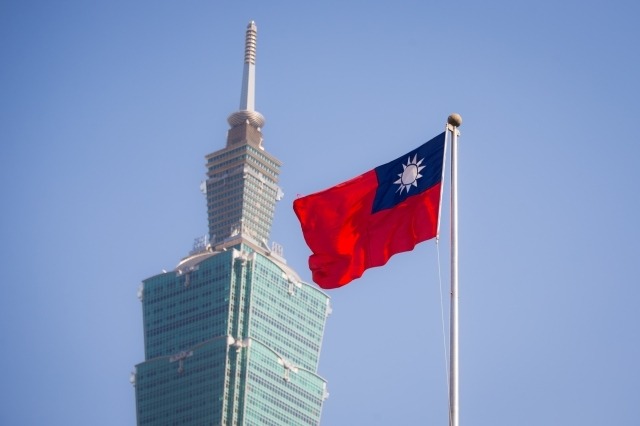
Figure 1- Taiwan ranked 12th globally as Democracy country
Image available at https://commons.wikimedia.org
The Imminent Threat: Information Warfare
The specter of conflict looms over Taiwan, not just in traditional military terms but through sophisticated information warfare. China has been intensifying its “gray zone” tactics, which include espionage, cyberattacks, and disinformation campaigns aimed at destabilizing Taiwan without direct military confrontation. These strategies seek to exploit the open nature of Taiwan’s society, creating internal divisions and undermining public trust in democratic institutions (Vox, 2024).
Reinstating Military Courts: Government’s Stance and Public Sentiment
In response to these covert threats, President Lai Ching-te (賴清德) announced a series of measures to bolster national security. Among them is the reinstatement of military courts to handle espionage cases involving military personnel, a system that was abolished 12 years ago (Associated Press, 2025). This move aims to ensure that sensitive cases are adjudicated with the necessary expertise and urgency.
Public opinion on reinstating military courts is divided. Some citizens support the government’s proactive stance on national security, acknowledging the necessity of specialized courts to handle military-related offenses effectively. However, others express concern that this move may infringe upon civil liberties and resemble the martial law era, which Taiwan has worked diligently to move beyond. Critics argue that reinstating military courts could set a precedent that undermines the country’s democratic principles (The Guardian, 2025).
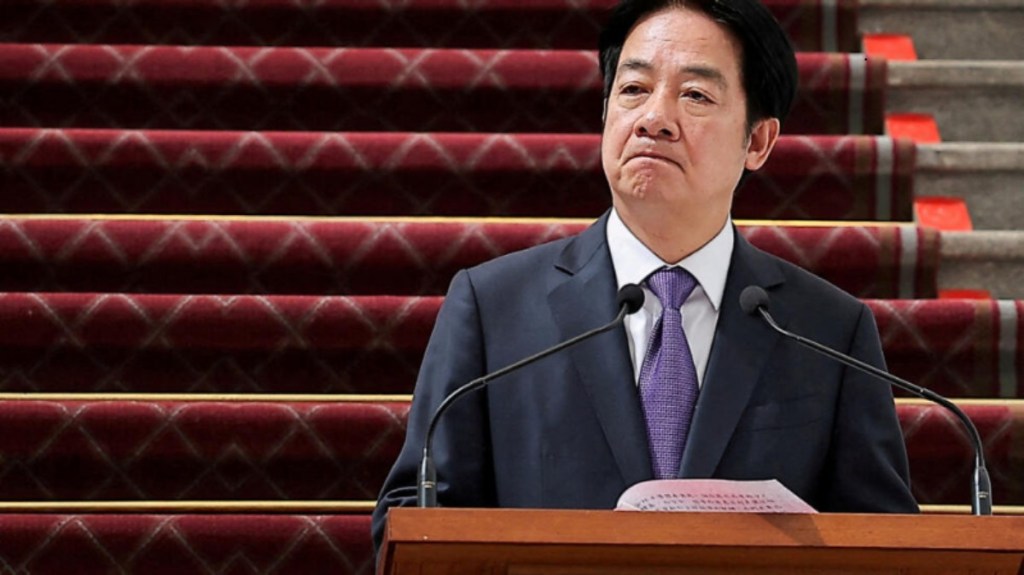
Figure 2- President Lai Ching-te(賴清德) announced the reinstatement of military courts
Image available at https://www.japantimes.co.jp/
Historical Context: Suspension of Military Courts
The military court system in Taiwan was suspended in 2013 following public outcry over human rights violations within the military. The case of Corporal Hung Chung-chiu (洪仲秋), who died of heatstroke just days before completing his service, sparked nationwide protests and led to the abolition of military courts (Associated Press, 2025). The incident highlighted the potential for abuse within the military justice system and prompted reforms to protect the rights of service members.
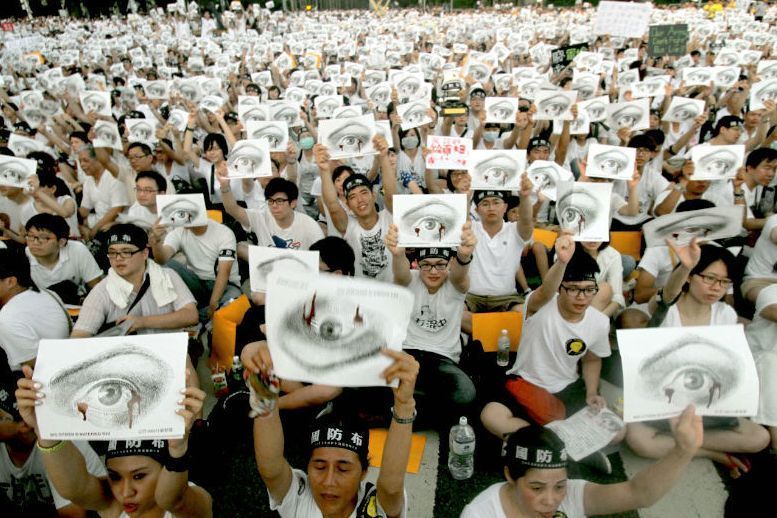
Figure 3-The protest for Hung Chung-chiu lead to the abolition of military courts
Photo available at https://www.gulf-times.com/
Scrutiny of Chinese Spouses: Policy and Public Reaction
In addition to reinstating military courts, the government plans to enhance scrutiny of Chinese nationals residing in Taiwan, particularly spouses of Taiwanese citizens. This includes monitoring their public statements and activities to prevent the spread of pro-Beijing propaganda and infiltration efforts. The policy also proposes a mandatory ten-day review period for Chinese spouses before granting residency or citizenship (The Guardian, 2025).
Public sentiment on this issue is mixed. Some citizens feel that stricter measures are necessary to protect Taiwan from external threats, especially given the increasing cases of espionage. Others believe that such policies unfairly target individuals based on their nationality and could foster discrimination against Chinese spouses (The Guardian, 2025). Human rights advocates argue that these measures could lead to violations of personal freedoms and strain cross-strait familial relationships.
Public Servants and Teachers Under Scrutiny
Another controversial aspect of the new measures is the increased scrutiny of public servants, teachers, and administrative officers. The government has proposed new regulations that would penalize civil servants who express pro-China sentiments or support the “One China” policy on social media or other public platforms. Under these regulations, individuals found guilty of such actions could face job termination, loss of retirement benefits, and legal repercussions.
Supporters argue that public servants hold influential positions and should uphold Taiwan’s democratic values, especially given the rising threat of infiltration from Beijing. They contend that national security must take precedence over personal expression when those expressions could undermine Taiwan’s sovereignty.
However, critics believe this policy risks creating a climate of fear and self-censorship. Teachers and civil servants, who often engage in discussions about history, politics, and cross-strait relations, may feel pressured to avoid controversial topics altogether. Concerns have been raised about the potential for “witch hunts,” where personal grievances could lead to false accusations of disloyalty, reminiscent of past authoritarian regimes.
Balancing Security and Democratic Principles
The implementation of these measures underscores the delicate balance Taiwan must navigate between fortifying its security and preserving the democratic freedoms that define its society. As the island faces unprecedented challenges from external adversaries employing unconventional tactics, the discourse continues on how to effectively protect the nation without compromising the very principles that Taiwan has earned global recognition as a leading democracy.
Written by Yenting Lin, who is currently pursuing a Master of Public Policy at George Mason University, supported by the Dean’s Fellow Award. He holds a B.A. and B.S. degree from National Chung Cheng University.
Citations:
- Radio Taiwan International (2024). “Taiwan ranks 12th in the world and 1st in Asia on the EIU Democracy Index.
- Vox. (2024). “China’s Gray Zone Tactics Against Taiwan.”
- Associated Press (2025). “Taiwan’s leader says tougher measures needed to counter stepped-up Chinese infiltration and spying.”
- The Guardian (2025). “Taiwan’s president labels China a ‘foreign hostile force’ and ramps up security measures citing ‘infiltration’.”
- K News (2025, March 20). 台灣重新啟動軍事審判機制,應對中國滲透威脅
- Public Television Service (PTS). (2025, March 20). 政府加強審查中國配偶言論,引發人權爭議


 International angles
Leave a comment