Israelis claim that the land of Palestine belongs to them, based on the idea that it is their “Promised Land.” They claim that the land is a homeland for the Jewish people based on historical and cultural continuity.
However, beyond these historical claims, the Israeli government employs practices such as encouraging name changes and controlling genealogical verification to reinforce this assertion. These measures raise important questions about the role of identity construction in the political claim to the land. This post will explore the significance of both name Hebraization and DNA testing restrictions in shaping and controlling Jewish identity in Israel.
Hebraization of Names
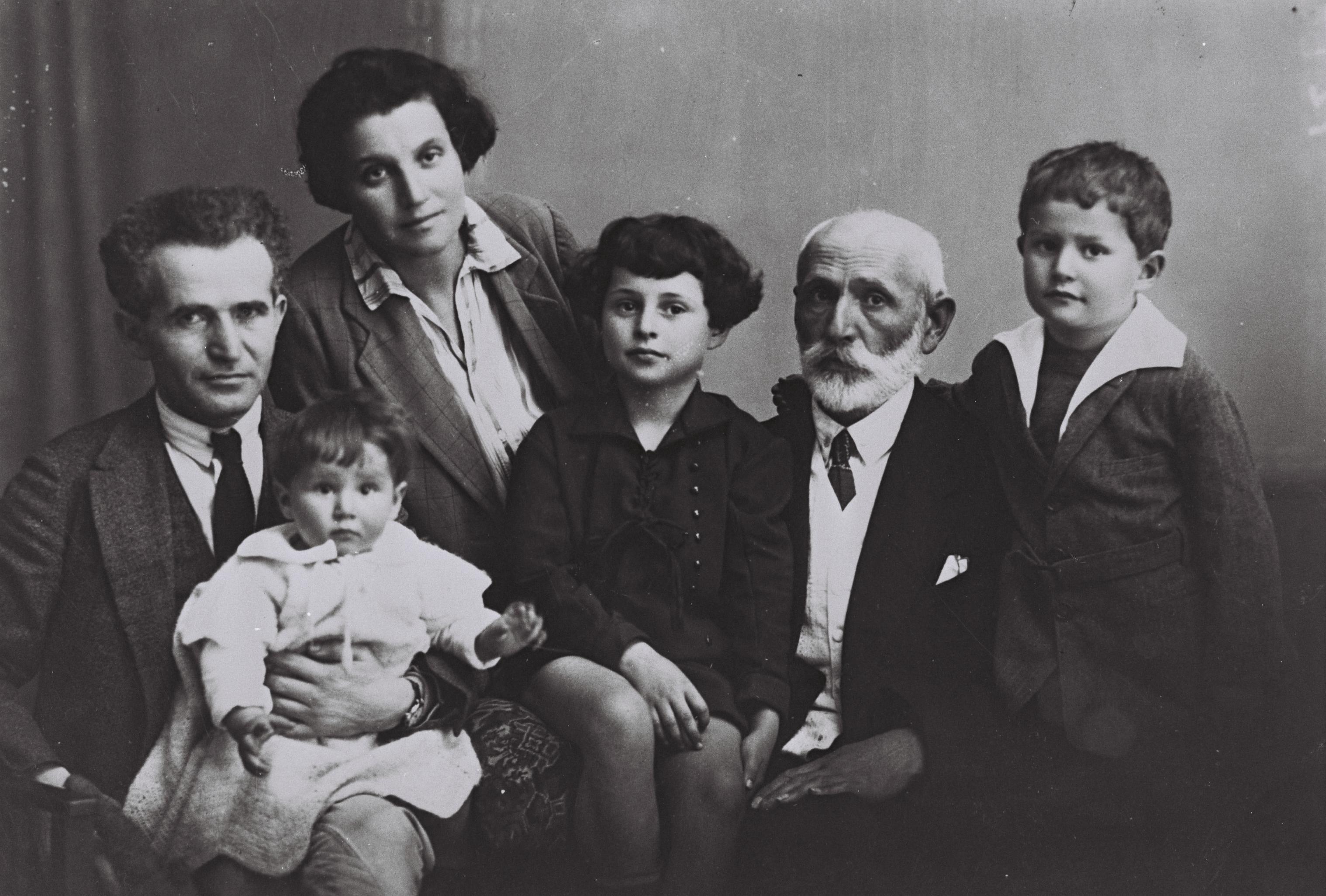
David Ben-Gurion, the first prime minister of Israel, was an advocate of Israelis adopting new names. He encouraged “adopting names that reflect their new reality and that, by extension, turn their backs on the past and the diaspora.”
Ben-Gurion was born David Grün. In 1910, he changed his name to the Hebrew name Ben-Gurion (son of a lion cub). When in power, he also encouraged many political and military figures to adopt Hebrew names.
Similarly, Benjamin Netanyahu’s father, Benzion Mileikowsky, changed their name from Mileikowsky to Netanyahu. Benzion was born in Warsaw in partitioned Poland, which was under Russian control. In 1920, the Mileikowsky family immigrated to Mandatory Palestine and changed their surname to Netanyahu.
Most Israeli leaders originally had different names; Moshe Sharett was born Moshe Chertok, Levi Eshkol was born Levi Shkolnik, Yigal Allon was born Yigal Peikowitz, Golda Meir was born Golda Mabovitch, and Yitzhak Rabin’s father’s last name was originally Rubitzov. This shows their parents were actually born with European last names.
In 1933, [Yitzḥak] Ben-Tsvi published an article in the Labour Party newspaper, Davar, headlined, “Get Rid of Your Alien Names!” In it he wrote, “Now that we are blessed with 200,000 Jewish inhabitants [in Palestine], that is, 50,000 Hebrew-speaking families, we have on our hands 50,000 foreign names: German, Polish, Russian, Spanish, Arabic, Persian, Georgian, Tatar, etc. . . . Shouldn’t it be clear by now that this inheritance from the Middle Ages and the ghetto is undesirable? Isn’t it obvious that all these names make us seem strangers in the Land of Israel?”
He concluded, “We must establish special action committees in every town and community, every kibbutz and moshav… composed of linguists who will advise everyone [how to change his or her name] free of cost. Most important is the personal example of the leaders of our [Labor] movement and its institutions. It’s your duty to go first in carrying out this great obligation!”
While changing names itself is not problematic, it is interesting to note the manner in which Israelis do it. They claim that Palestine is their ancestral land, but to prove this, they change their names to reinforce their claim. If Jewishness is an ancient, organic identity, why is there a need to reshape or erase diasporic or foreign names?
Human Impact
This practice of name changing has also had profound personal consequences on individuals. There are many stories of immigrants pressured into changing their names, where they felt like their identity was taken from them.
One story is of a professor of Moroccan-Israeli origin, who recalls an Israeli elementary school teacher renaming him:
“Alif, your name from now on will be Aliza,” Chetrit recalled the teacher declaring. “Jackie, your name is Jacob, and Michele, your name is Michal. She kept going alphabetically. Then she said, ‘Sami, your name will be Shmuel Shalom.’
“I went to my father, crying.… I really felt like something was stolen from me, something precious. I said: ‘They changed my name! They changed it!’”
DNA Testing in Israel
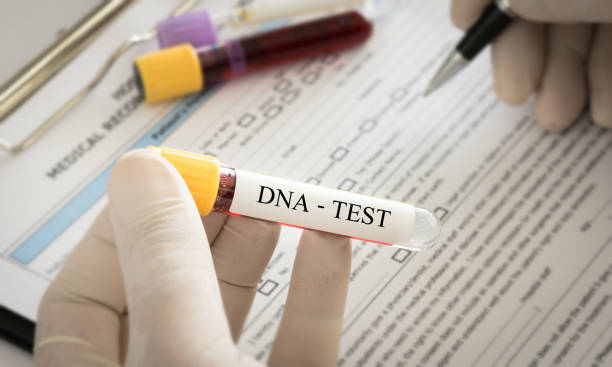
In addition to encouraging Hebraization of names, the Israeli government has imposed restrictions on DNA testing. Israel’s Genetic Information Law, passed in December 2000, blocks people from buying DNA tests from local pharmacies. While DNA testing is allowed in laboratories, commercial DNA tests are difficult to procure – to purchase commercial DNA kits, a court order is needed. The process for DNA testing involves obtaining a doctor’s letter and visiting a government-approved laboratory.
The Ministry of Health in Israel claims that the reason for the ban on commercially available kits is the question mark on their reliability, which could cause problems within families. Israel further claims that restricting access protects the public from insurance companies and private entities from misusing data.
While individuals can go to government-approved laboratories, ancestral DNA testing by them has been controversial for 5 reasons:
- Only 1% of your DNA is tested by companies. They only look for certain characteristics in the genes to determine which population it matches.
- The result you get depends on the samples stored in the company’s own databases.
- Each company may give you different results and breakdowns due to having different samples in their databases.
- Companies do not reveal the formulas they use for determining your breakdowns.
- Consumers often ignore a crucial piece of data on test results – the confidence ratings. Some DNA companies are only 50% sure of the accuracy of the breakdown being displayed.
Moreover, there have also been reports of identical twins sending their DNA for testing and getting different results, despite them having an almost identical genetic makeup. This raises a question about the validity and reliability of laboratory DNA testing.
The restriction of DNA testing leads the state and the Rabbinate to control who is “officially” recognised as Jewish. So, is belonging really historical or genetic, or is it subjected to political and institutional control?
Conclusions
Israel’s claim over Palestine involves more than historical or cultural arguments. It extends into shaping identity through policies like name Hebraization and control over DNA testing. While they claim that the land belongs to the Jewish people, they police and reshape Jewish identity. So, is Israel just trying to manufacture its claim to the land?
References:
https://comrademorlock.medium.com/israel-the-cosplay-nation-2-new-names-for-old-82ee1e73b8a5
Personal Information:
My name is Emaan. I am studying BSc International Relations at University of London and London School of Economics.


 International angles
Leave a comment