A nuclear playground rising on the horizon.
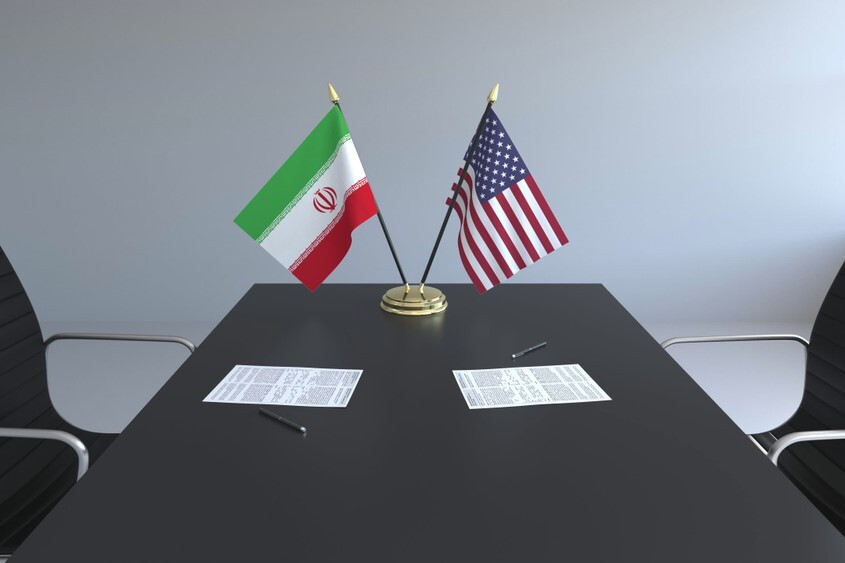
Nuclear tension is escalating and it feels like humanity has no escape from what’s coming up next. Politically and digitally, the threat is there and we can all sense it. No one wants the comeback of nuclear war, or even the threat of being involved in one due to the severe outcomes and complications of instability in national and international affairs. In depth negotiations have been going on for months, and meetings were held in secrecy. All to avoid the catastrophe of a new nuclear war that will bring complications to the world for a very long time.
But before diving into the logistics of the new and modern nuclear war, it is important to take hold of previous nuclear complications that were a result of failed political settlements and other geopolitical aspirations that held not only states, but even citizens, accountable. Mentioning the nuclear war rings bells in one’s minds and the first picture that we all have in our minds is of the huge explosion that took place in Hiroshima, which resulted in the death of 80,000 people. It didn’t stop here – three days later another bomb was activated which resulted in the death of 40,000 people. Not to mention the negative complications of the bombs that stick around the geographical area for a very long time. Death surrounds nuclear equipment and bombs, there’s no going back once it’s set in motion. The aforementioned is based on a pre-modern political tactic that was used as a negotiation tool when all has failed. Nowadays with globalization, diplomacy is the tool, but its effectiveness depends on the benefits and gains of the states involved in the bargain. The fear of another nuclear war started to escalate, as the tensions between the U.S. and Iran have become a huge part in daily political scrolling. This made our political nuclear neighbors a cautious and high on alert as to what steps to take and whether they’ll be next.
So let’s get into the nuclear neighborhood step by step, starting with the major actor through it all. Iran. Iran’s nuclear timeline was initiated in 1967 and extended until this very day. 2015 in particular marked history for the international world, as Iran along with the 6 major world powers (P5+1) have negotiated and reached a settlement of limiting Iran’s nuclear plan for over 10 years, with a high encouragement in monitoring and exchanging information and cooperation from and with all participating actors. The bargain has also ended with economic benefits for Iran as they became open to the global market and that boosted their economy. Not only that, but the nuclear world has had a breath of fresh air when everything was under control and when Iran stated that their intentions were peaceful.
The (P5+1) nuclear deal participants were all held accountable in regards to their actions and statements concerning the deal and further details about their intentions and activities. But all in all, the political nuclear world was set to be at peace. Until recently when President Trump’s campaign on Iran’s nuclear activities started to reach the political surface again. As 2015 marked the beginning of a peaceful nuclear reign, 2018 ended that peace with President Trump’s decision to abandon the nuclear deal with Iran. The same topic resurfaced and the American administration determined not to allow Iran to have any nuclear weapons. This caused tension in the region as the threat of war was on the horizon, threatening not only the U.S. and Iran with unpredictable attacks, but also countries within and through the region and the world.
Being involved in a nuclear war is not in anyone’s benefit. Regardless of what the media portrays and the propaganda that is being pictured as victory, the truth is all about a black canvas named ‘death’. Although it has been obvious since the beginning that Iran’s intention of having hold of nuclear weapons is peaceful, their activities and intentions all together were viewed as a major threat to the global world which is why others felt all nuclear weapons should be terminated for the safety of all. Yet, the aforementioned is not an option on Iran’s agenda, as they are already in economic and political turmoil regarding sanctions. Putting it in simpler words, Iran at the moment is eliminated from global world affairs, as they’re seen as a threat in all political and economic matters. With that being said, the war to stop Iran from progressing in their nuclear programme has in fact escalated the possibility of an actual war.
The first round of the nuclear deal in Oman had positive outcomes for both sides as it did end in success with an extension of a second meeting to negotiate the deal further. In a statement prior to the meeting, the White House issued a disclosure in regards to the meeting and described it as ‘ .. very positive and constructive ’. Sayed Abbas Araghchi, Iran’s Minister of Foreign Affairs stated in Iran’s National TV ‘ Neither we, nor the other party, want fruitless negotiations, discussions for discussions’ sake, time wasting or talks that drag on forever,’. With a productive meeting and forward-looking state officials who stated directly the positive outcomes of where the negotiations were leading to and at, it is evident that the road was leading towards a safe and secure region for both parties within the deal despite the media’s statements and threats that caused falsified tension, rather than a peaceful mission.

The second meeting was held on the 19th of April in Rome. The 4-hour meeting had beneficial effects for both parties as the discussion was fruitful and detailed in regards to aims, objectives and the specifications that we at the moment are disclosed to know more about. However, through social media posts and statements from high officials as Araghchi, it is known and clear to us all that Saturday’s meeting was in fact fruitful as he said ‘Iran will continue as far as talks go on in a constructive and purposeful way’, and described the meeting as ‘a step forward’, which also led to the next phase of the negotiation.
Following recent events, it is clear that a nuclear deal is far beyond being accepted by Iran, as the political situation within the region is escalating and more parties are being brought into the scene, more and more regulations are being set which is making it more complicated for the deal. The day before the scheduled round of negotiations between Iran and the U.S., Iran was attacked by the the U.S. Air-force and Navy on their nuclear bases, which sources claimed to have caused major damages. President Trump publicly announced that ” the U.S. deployment of 30,000-pound bombs have obliterated Iran’s nuclear program”. But according to inner sources form the American intelligence, it was revealed that the act did not damage the inner faculties of the nuclear bases, as it hit the outer functions, which caused to the continuation of the nuclear performance. The aforesaid caused huge media attention from both the American and the Iranian side, as both had different views and claims. However, the act was a strategic move as the conflict between Israel and Palestine and the ensuing humanitarian crisis started to escalate. That left nations bewildered and lost as to how to support and who.
Tensions between the two countries started to intensify as the U.S. glorified the attack on Iran and Israel’s Prime Minister Benjamin Netanyahu accepted and stood by the American attack. All of that has led to and continues to cause tension in the region, an unbalanced support of political actors and sides. All fearing an escalating unexpected nuclear war that everyone within the region had been pushing against for the past year. Iran’s Prime Minister Abbas Araghchi stated that ”Tehran reserves all options to defend its sovereignty”. The aforementioned statement caused concerns, as political and military options lay open.
As politics is an inward motion of expectations and theories, it is important for us as viewers to be prepared. For no country nor citizen can and will ever be ready to face the outcomes when political matters enter a challenging phase. And in this scenario, it’s important to illustrate the political implications of what options Iran will take if they decide to take action, as it has been circulating nowadays that another attack will be on the horizon within the region. That leaves us with many options and probabilities, and what awaits us on the other side of the nuclear playground.
Probable options that might be taken from Iran’s side
- The closure of Hormuz Strait
- The immediate start of building nuclear weapons
- Attacks on U.S. military bases
- Pursuing their diplomatic attack with the exception of eliminating their nuclear program
- Discording oil supplies
- Cutting ties with supportive countries
- In the end, it’s a political game in form of a negotiation that could benefit the world and the specific two actors who are in the face of the complications and benefits. But regardless of the decisions that have been taken and others that are secretive and under the table, one should always be prepared. For politics is an unpredictable chess game that can crown and dethrone opponents as seen fit by and for nations and the international good. And in the case of both the U.S. and Iran, it is in the benefit of not only the world, but both actors to comply with the decisions and go further with the negotiations. The political field is in fear of the unknown, shall we prepare for a war?, equip our homes with food and masks? Or shall we take it easy and wait for the negotiations to proceed in the upcoming days and take a long breathe of fresh air. The future is unpredictable at the moment, but as far as the negotiators and state officials are stating, things are going on smoothly and arrangements are being taken to take further step into the deal that will help boost the economy and nourish stability in the nuclear political field.

Written By Sawsan Adel, an Author and Postgraduate Student of International Humanitarian Affairs at the University of York.
References
- Hearst Networks EMEA. (2009). Bombing of Hiroshima and Nagasaki. Retrieved from Bombing of Hiroshima and Nagasaki – Causes, Impact & Deaths | HISTORY
- Arms Control Association. (2023). Timeline of Nuclear Diplomacy with Iran, 1967-2023. Retrieved from Timeline of Nuclear Diplomacy With Iran, 1967-2023 | Arms Control Association
- Doucet, L & Tasch, B. (2025). US and Iran hold ‘Constructive’ first round of nuclear talks. Retrieved from https://www.bbc.com/news/articles/c4g2eggzvjgo
- Fouda. M, Rogal. A & Dom, E. (2025). Iran and US conclude nuclear talks in Rome and agree on another round next week. Retrieved from https://www.euronews.com/2025/04/20/iran-and-us-start-second-round-of-nuclear-talks-in-rome
- Tostevin, M. and Amir Daftari (2025). Seven Options for Iran After US Attacks. [online] Newsweek. Available at: https://www.newsweek.com/seven-options-iran-after-us-attacks-2088902 [Accessed 28 Jul. 2025].
- Meredith, S. (2025) Iran says it reserves all options after ‘outrageous’ U.S. strikes, launches fresh attacks on Israel, CNBC. Available at: https://www.cnbc.com/2025/06/22/iran-says-it-reserves-all-options-after-us-strikes-on-nuclear-sites.html (Accessed: 28 July 2025).


 International angles
Leave a comment