
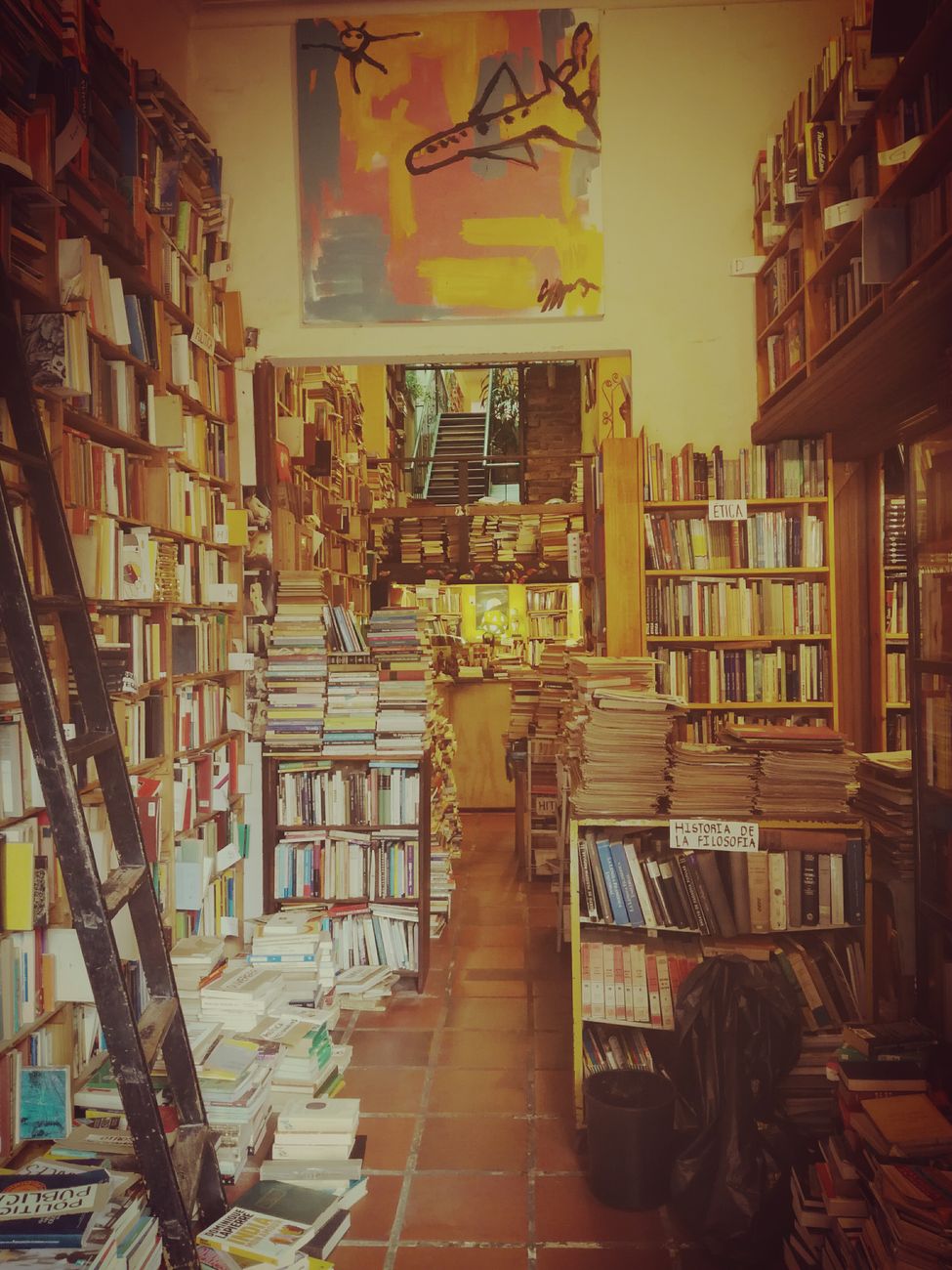
When most people think of Colombian literature, one name usually echoes above the rest: Gabriel García Márquez. While “Gabo” and his invention of Macondo deserve every bit of their legendary status, Colombia’s literary landscape is far from a one-man show. From the rugged Andes to the rhythmic Caribbean coast, Colombian writers—both men and women—have spent centuries capturing the country’s intense beauty, complex history, and magical everyday reality. If you want to dive into a literary tradition that is as fierce as it is beautiful, here is your essential guide to the men and women who shaped Colombian letters.
Men in Colombian literature have often used fiction to grapple with the country’s turbulent political history, blending the surreal with the starkly real.
Gabriel García Márquez (1927–2014)
You can’t skip the cornerstone. The 1982 Nobel Prize winner didn’t just put Colombia on the literary map; he redefined global literature with One Hundred Years of Solitude. His style and magical realism treated the miraculous as mundane and the mundane as miraculous—a mirror to the surreal nature of Colombian reality itself.
Must-Read: One Hundred Years of Solitude or Chronicle of a Death Foretold.
Jorge Isaacs (1837–1895)
Long before the boom of the 20th century, Isaacs wrote María, the definitive masterpiece of Latin American Romanticism. It’s a bittersweet, lyrical story of forbidden love set against the backdrop of the breathtaking Valle del Cauca. It was so influential that its characters used to grace Colombia’s currency.
Must-Read: María.
Héctor Abad Faciolince (1958–Present)
Moving into contemporary literature, Faciolince authored one of the most heartbreaking and beautiful memoirs in the Spanish language. Oblivion: A Memoir (El olvido que seremos) is a tender tribute to his father, a doctor and human rights activist assassinated in Medellín. It’s a masterclass in how the personal intersects with the political.
Must-Read: Oblivion: A Memoir.
For decades, Colombian women writers had to fight against a deeply patriarchal society to get published. Today, they are producing some of the most daring, sharp, and award-winning literature in Latin America.
Soledad Acosta de Samper (1833–1913)
A true pioneer. Acosta de Samper was a journalist, historian, and novelist who wrote over 20 novels and hundreds of articles. At a time when women were expected to stay silent, she used her pen to advocate for women’s education and to document the foundational history of the Colombian nation.
Must-Read: The Piracy in the Santa Marta Coast or her various historical biographies.
Laura Restrepo (1950–Present)
Restrepo blends her background in political journalism with gripping fiction. Her novel Delirium (Delirio) won the prestigious Alfaguara Prize and is a stunning exploration of 1980s Bogotá, drug trafficking, and mental illness. She writes with a fierce, frantic energy that holds you captive from the first page.
Must-Read: Delirium.
Pilar Quintana (1972–Present)
Quintana is one of the most powerful contemporary voices in Spanish literature today. Her novel The Bitch (La Perra) is a brutal, slim masterpiece set on Colombia’s wild Pacific coast, exploring themes of motherhood, guilt, and nature. It was a finalist for the National Book Award, proving that Colombia’s modern literature is capturing global attention.
Must-Read: The Bitch.
At a Glance: A Century of Colombian Voices
| Writer | Era | Defining Characteristic / Theme |
| Jorge Isaacs | 19th Century | Romanticism, tragic love, landscape idealization |
| Soledad Acosta de Samper | 19th Century | Women’s rights, historical fiction, nation-building |
| Gabriel García Márquez | 20th Century | Magical realism, solitude, Caribbean identity |
| Laura Restrepo | Late 20th / 21st Century | Political corruption, journalism-meets-fiction, psychological depth |
| Héctor Abad Faciolince | 21st Century | Memory, grief, violence, familial love |
| Pilar Quintana | 21st Century | Raw realism, Pacific coast geography, domestic tension |
To read Colombian literature is to understand resilience. Whether writing about the devastating eras of violence (La Violencia) or the quiet, profound moments of domestic life, these authors refuse to look away from the truth. They show us that Colombia is a place where tragedy and beauty live side by side—and where a story can be a lifeline.
“It is not true that people stop pursuing dreams because they grow old, they grow old because they stop pursuing dreams.”
— Gabriel García Márquez
What’s your favorite Latin American book? Have you read any of the authors on this list? Let us know in the comments below!

Leave a Reply